Not every website needs to sell something.
Sometimes you have a domain with your name on it, and it feels ridiculous to leave it sitting there doing nothing. Sometimes you want to make a little noise again and claim your spot on the internet.
That is honestly why this website exists.
There is no complicated business strategy behind it. No funnel. No product waiting at the end. It is simply a place to write, share ideas, and put something on the internet that belongs to me.
That feels like enough of a reason.
Your website can simply be yours
Social media makes it easy to post, but it never completely feels like your own space.
There are rules, algorithms, filters, and systems deciding what gets seen. A post can disappear into a feed within hours. People scroll past it, react quickly, and forget about it a few days later.
Everything moves fast because the platforms are designed to keep moving.
A personal website can move at your pace.
You can write something long without worrying whether people have the attention span for it. You can publish an unfinished thought, an observation, or something you learned. Readers can agree, disagree, or ignore it completely.
There is no demand that everyone believes the same thing.
Your website does not have to win an argument. It can simply show what you were thinking at a particular point in your life.
Think of it as a freedom wall
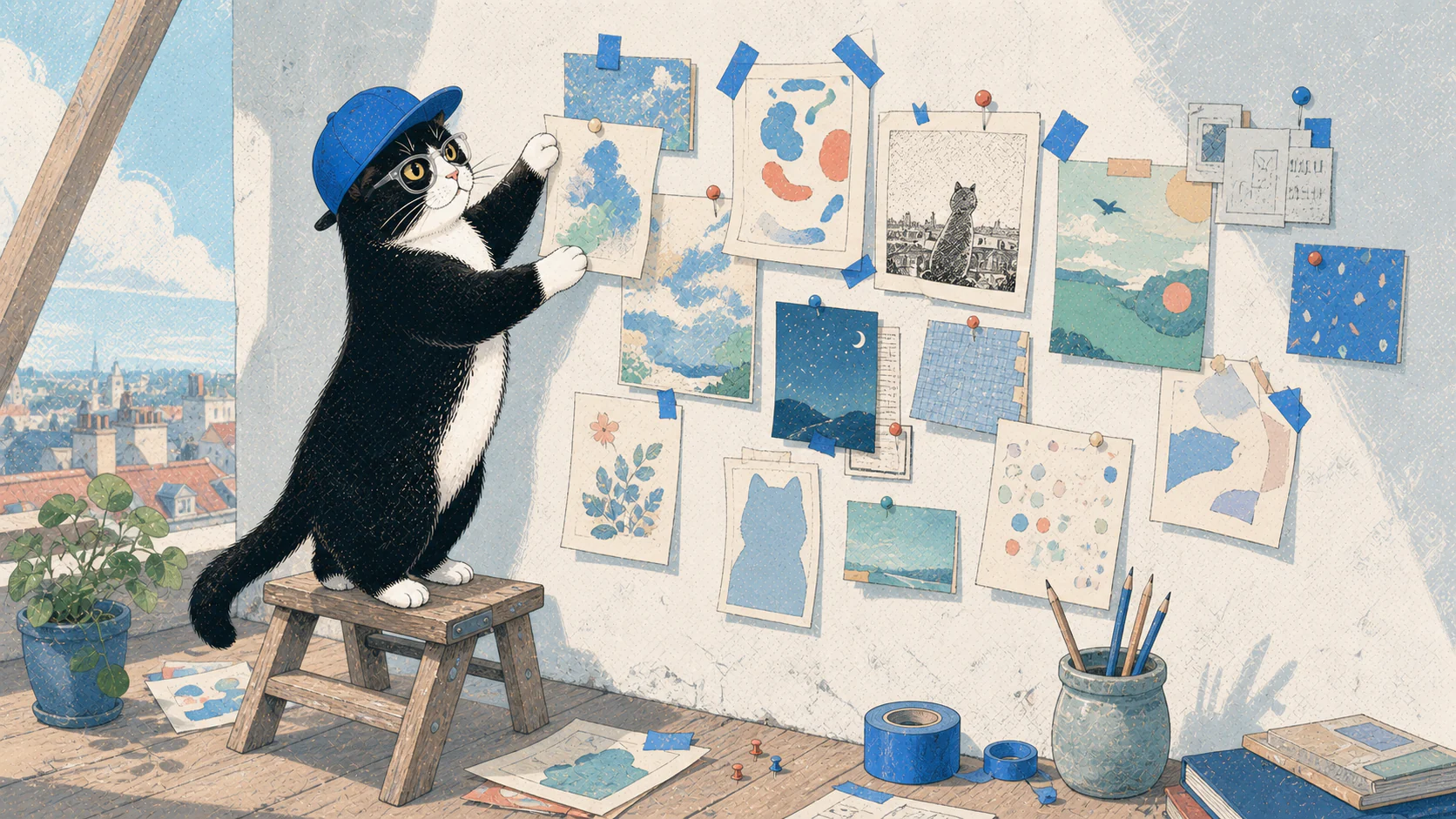
A personal website can be a freedom wall.
It is a place for your thoughts, ideas, experiments, and whatever else feels worth keeping. You decide what belongs there. You decide how it looks. You decide whether something stays online for a week or ten years.
That kind of ownership feels increasingly rare.
Most of the internet now lives inside platforms. People create the content, but the platform controls how it is presented, who sees it, and how long it remains visible.
With your own domain, the space is yours.
Of course, owning a website does not guarantee that anyone will visit it. Most people probably will not. They are busy watching short videos, following trends, and moving on to the next thing.
That is fine.
A personal website does not need a large audience to have value.
Being known is different from selling yourself
The goal here is not to turn every visitor into a customer.
It is to give people a place where they can understand who is behind the name. Not the polished professional profile. Not the carefully edited social media version. Just a more honest collection of thoughts, experiences, interests, and questions.
This is where you can be a little less guarded.
That does not mean there can never be opportunities. Someone may read something and decide to ask for help. Someone may relate to an experience and feel less alone. Someone might even want to work with you.
If that happens, great.
But the website does not need to behave like a sales page for those things to happen. Sometimes the best way to show what you can do is to make things, share what you know, and let people decide for themselves.
You do not have to chase them around the internet with a button.
Pressure usually comes from expectations
There is plenty of advice telling people to build a personal brand, find a profitable niche, grow an audience, and turn every interest into income.
That can make starting a personal website feel more complicated than it needs to be.
The pressure usually begins when expectations appear.
You expect every article to perform. You expect the website to make money. You expect yourself to publish constantly. You start thinking about numbers before you have written anything worth reading.
A personal website does not need to begin that way.
You can start without knowing exactly where it will lead. You can write because something is on your mind. You can experiment without promising that the experiment will become a business.
Just do your thing.
There is much less pressure when the website is allowed to grow naturally.
Start with the wall, not the plan
You do not need a product.
You do not need an audience.
You do not need a perfect niche.
You do not need a five-year content strategy.
You need a place to begin and something you want to put there.
Your website may eventually lead to new work, new friendships, or unexpected opportunities. It may simply become an archive of who you were and what mattered to you. Both outcomes are worthwhile.
Put up the first page. Write the first thought. Let the website be rough while you figure it out.
Claim your small corner of the internet.
Make a little noise.
That is already a good enough plan.